

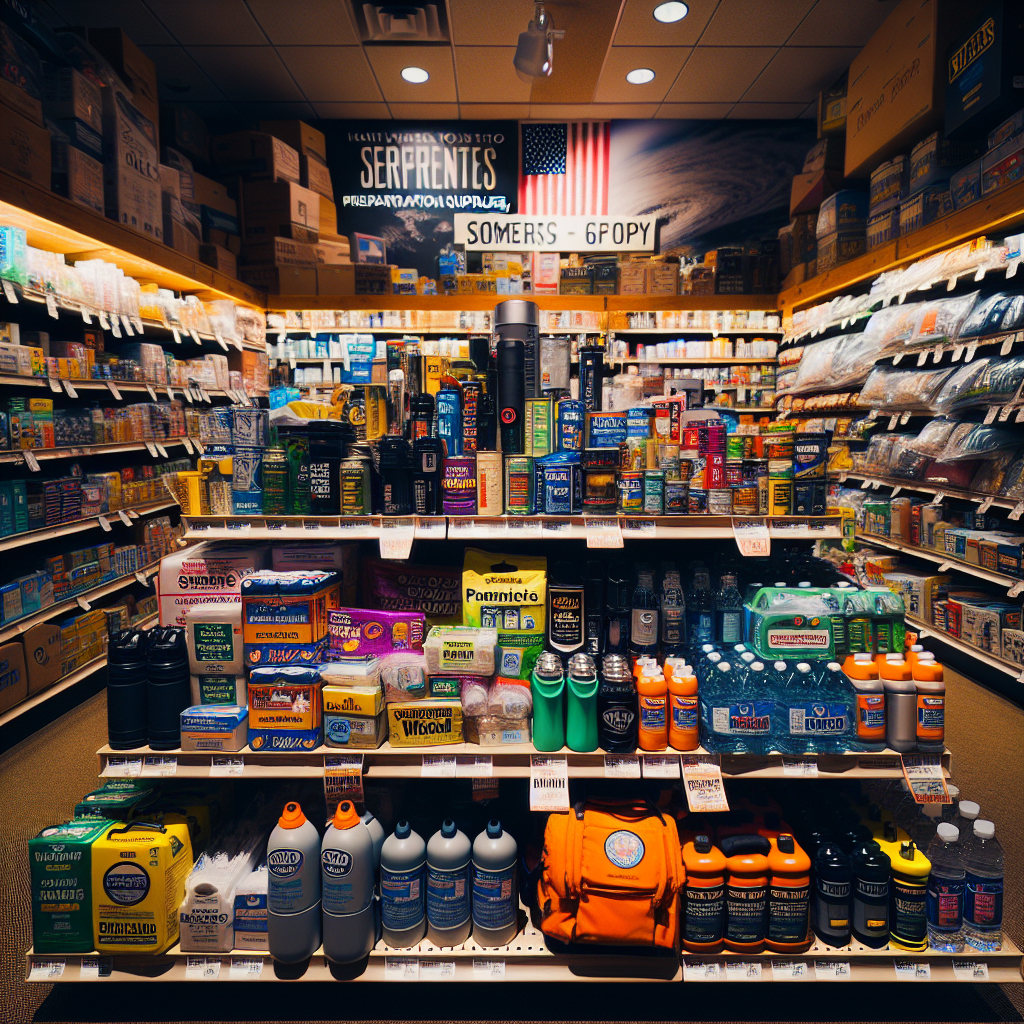
Home Emergency Kits That Work are essential for addressing unexpected situations effectively. A well-prepared kit includes critical supplies such as first aid items, non-perishable food, water, flashlights, and basic tools.
Understanding what to include in your emergency kit is crucial. Many people underestimate the importance of having adequate food and water supplies, often focusing solely on first aid or tools. A common mistake is to overlook the need for specific items tailored to individual family needs, like medications or hygiene products. Assessing your household’s unique requirements is key to building a truly effective emergency kit.
Moreover, it’s essential to regularly review and update your emergency kit. Stale food, expired medications, or worn-out batteries can render your kit ineffective when you need it most. Keeping track of expiration dates and conducting routine checks can help ensure that your supplies are always ready for use. Prioritizing practicality and thoroughness in your preparation can make a significant difference during a crisis.
Choosing the Right Food and Water Supplies
When preparing a home emergency kit, the selection of food and water is paramount. Non-perishable foods such as canned goods, granola bars, and dehydrated meals provide essential nutrition during crises. Additionally, it’s recommended to store at least one gallon of water per person per day for at least three days. This ensures hydration and can also be used for sanitation purposes.
Many individuals fail to consider dietary restrictions or preferences when choosing food items. It’s crucial to include foods that your family enjoys and can consume without preparation, as cooking may not be feasible in an emergency. Also, consider the shelf life of items; rotating your supplies regularly helps maintain freshness.
Another aspect to consider is the accessibility of your food supplies. Ensure they are stored in a location that is easy to reach during an emergency. Using clear, labeled containers can facilitate quick access and help you keep track of your inventory effectively.
Essential Tools and Equipment to Include
In addition to food and water, having the right tools and equipment can greatly enhance your emergency preparedness. Items such as multi-tools, flashlights, batteries, and portable phone chargers are essential. These can aid in navigation, communication, and general survival tasks.
However, many people overlook specific equipment tailored to their environment. For example, if you live in a region prone to earthquakes, including a whistle, dust masks, and sturdy gloves may be beneficial. Understanding your local risks allows you to customize your kit effectively.
Moreover, it’s wise to familiarize yourself with how to use each tool in your kit. Practice using the equipment and review the contents periodically to ensure you know where everything is located and how to operate it.
First Aid Kits: What You Really Need
A well-stocked first aid kit is a critical component of any home emergency kit. It should include bandages, antiseptic wipes, gauze, adhesive tape, scissors, and any personal medications. Tailoring your first aid kit to your family’s specific needs is essential.
People often make the mistake of purchasing a pre-assembled kit without considering their unique requirements. For instance, families with young children may need additional items such as pediatric medications or specialized bandages. Regularly reviewing and restocking your first aid supplies can ensure they remain effective when needed.
Additionally, consider taking a first aid course to enhance your knowledge and confidence in administering care during emergencies. Knowing how to use the items in your kit properly can make a significant difference in critical situations.

Common Mistakes When Assembling Kits
Assembling an emergency kit can be straightforward, but common pitfalls can hinder its effectiveness. One major mistake is failing to customize the kit to fit individual family needs and circumstances. Generic kits often lack vital items that specific households may require.
Another frequent error is neglecting to update the kit regularly. Expired food, outdated medications, and depleted batteries can compromise your preparedness. Set reminders to check your kit every six months to maintain its usefulness.
Furthermore, many people fail to practice emergency drills. Simply having a kit is not enough; knowing where it is located and how to access it quickly during an emergency is crucial. Conducting practice drills can help ensure your family knows what to do when the time comes.
Further Reading
Authoritative Sources
- Ready.gov: Emergency Kit
ready.govThis official resource offers detailed guidance on assembling an effective emergency kit tailored to individual needs
- Red Cross: Survival Kit Supplies
redcross.orgA comprehensive list of recommended items for a survival kit, including specific categories for different emergencies
Frequently Asked Questions
What should I include in my home emergency kit?
Your home emergency kit should include non-perishable food, water, first aid supplies, flashlights, batteries, multi-tools, and any necessary medications.
How often should I check my emergency kit?
It’s advisable to check your emergency kit every six months to ensure all items are up-to-date and functional.
Can I use a standard first aid kit for emergencies?
While a standard first aid kit is a good start, it’s important to customize it with items specific to your family’s needs and any unique risks you may face.
What mistakes should I avoid when preparing my kit?
Avoid generic kits that don’t meet your family’s specific needs, and ensure you regularly update and check the contents.
How can I prepare my family for emergencies?
Conduct regular emergency drills, ensure everyone knows where the kit is located, and educate family members about using the items in the kit.
Conclusion
In conclusion, assembling a home emergency kit that works requires careful consideration of your unique needs and circumstances. By prioritizing essential items, regularly updating your supplies, and educating your family on their use, you can significantly enhance your preparedness for any emergency situation. Ensure that your kit is tailored to your specific risks and that every member of your household knows how to access and utilize the resources effectively. Taking these steps today can provide invaluable peace of mind for tomorrow.
Related Content