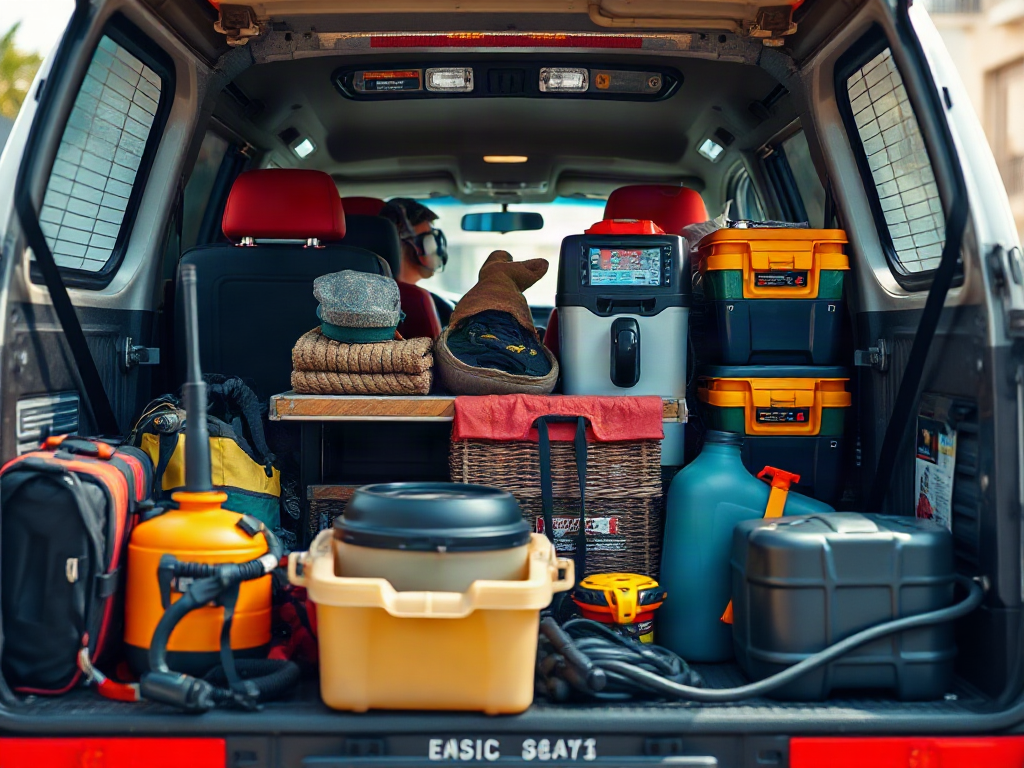
Tools for effective resource management during crises include inventory systems, priority matrices, communication channels, consumption logs, and backup power for critical records. Together, they show what is available, identify which people or functions need it first, track changing demand, and preserve information when normal services fail.
How to Assess the Effectiveness of Your Prep Plan: Key Metrics and Evaluation Strategies
Simulated drills not only help you assess the effectiveness of your prep plan but also build confidence and preparedness among all family members.
Supplies That Ensure Safety During Natural Disasters: Essential Gear for Preparedness
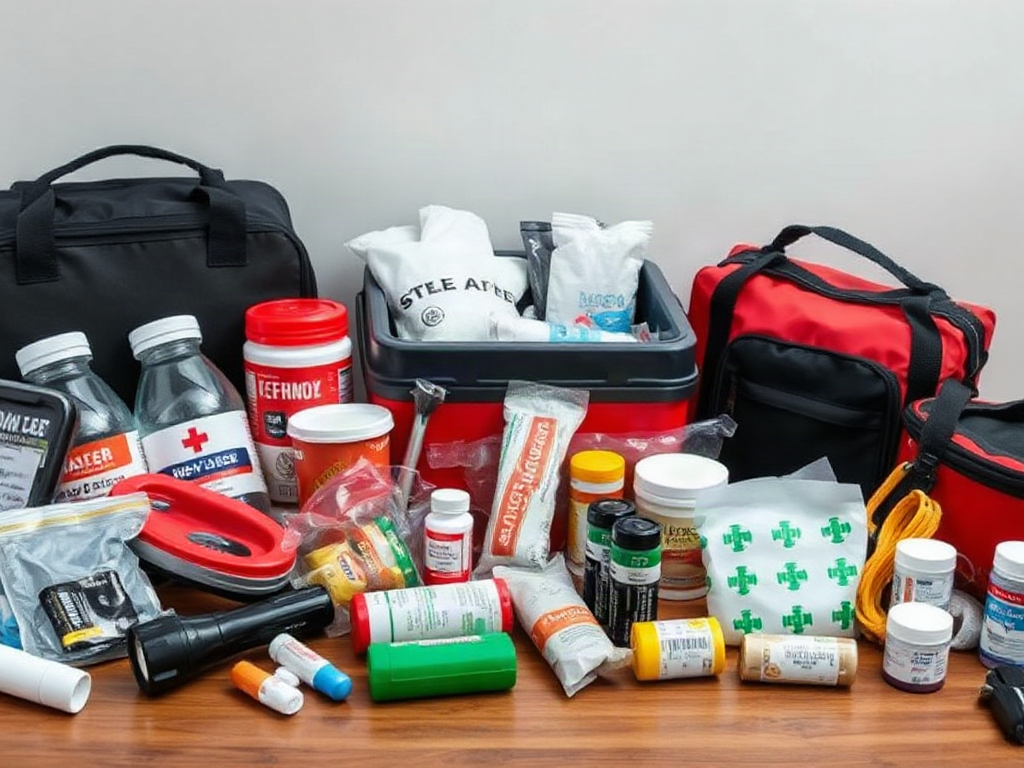
Emergency supplies are critical to ensuring safety during natural disasters.
How to Create a Community Preparedness Network: Steps for Effective Local Collaboration
How to create a community preparedness network.
Important Considerations for Emergency Lighting: Essential Features for Reliable Power Outages
When considering emergency lighting, it’s vital to understand the various types available.
Important Considerations for Emergency Lighting: Key Factors for Effective Illumination During Power Outages
Emergency lighting is vital for safety during unexpected power outages or emergencies.
How to Prioritize Multi-Use Supplies for Prepping: Essential Items for Versatile Preparedness
How to prioritize multi-use supplies for prepping.
Optimal Gear for Varied Climate Conditions: Essential Equipment for Diverse Weather Scenarios
To effectively choose optimal gear for varied climate conditions, one must first understand the different types of weather scenarios that can impact outdoor.
Ways to Evaluate the Effectiveness of Your Gear: Practical Techniques for Real-World Preparedness
Ways to evaluate the effectiveness of your gear.
How to Address Common Misconceptions About Prepping: Practical Clarifications for Effective Preparedness
Acknowledging this fear and addressing it through education and planning can help demystify prepping, making it a less daunting task.