

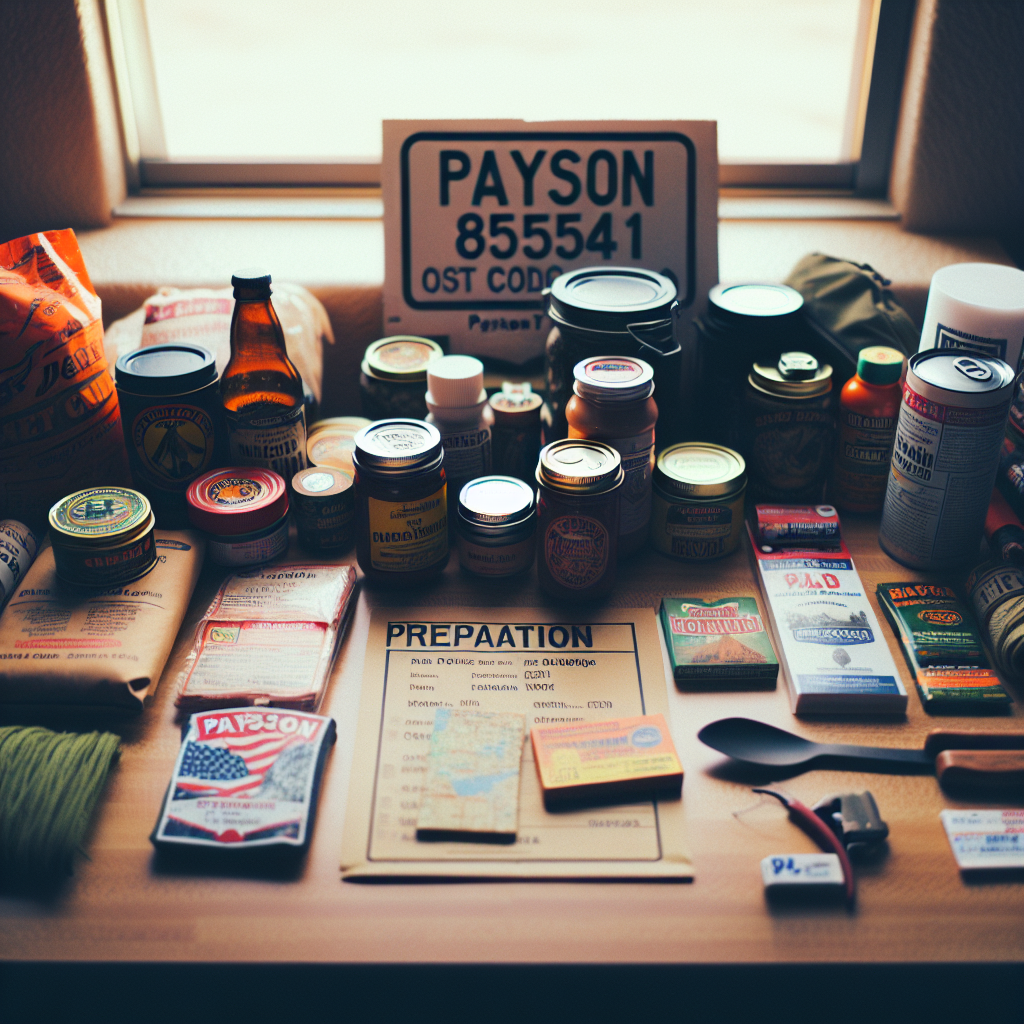
Essential survival supplies for self reliance encompass a range of items designed to ensure individuals can sustain themselves during emergencies. Key supplies include water purification systems, non-perishable food, first aid kits, multi-tools, and emergency blankets.
When preparing for self-reliance, it’s crucial to prioritize versatile and durable items that can address multiple needs. For instance, a multi-tool can serve various functions, from opening canned food to performing minor repairs. Additionally, understanding the potential scenarios you may face—such as natural disasters, power outages, or civil unrest—will shape your supply choices and priorities.
Common mistakes include underestimating the quantity of supplies needed or overlooking specific items essential for your unique situation. For example, those with dietary restrictions may need to ensure their food supply accommodates their needs. Furthermore, regular inventory checks and updates to your supplies are vital to ensure everything remains usable and effective.
Water Purification Solutions
Water purification solutions are vital for self-reliance, especially in emergencies where clean water access may be compromised. Options include filtration systems, purification tablets, and portable water filters that can eliminate harmful pathogens.
Investing in a quality water filtration system can provide peace of mind and ensure access to safe drinking water. Portable filters are particularly useful for their versatility and ease of use in various situations, including hiking or during natural disasters.
However, it’s essential to regularly maintain and test your water purification devices to ensure effectiveness. Consider your local water sources and any specific contaminants that may be present to select the most appropriate solution for your needs.
Non-Perishable Food Options
Non-perishable food options are crucial for any self-reliance plan, as they provide necessary nutrition without the need for refrigeration. Ideal choices include canned goods, dehydrated meals, and freeze-dried foods.
When selecting non-perishable foods, prioritize items that are high in calories and nutrients, as these will provide the energy needed during a crisis. Additionally, consider foods that require minimal preparation, as cooking resources may be limited.
Common pitfalls include neglecting to rotate your stock and not accounting for dietary preferences. Regularly checking expiration dates and replacing older items with newer ones will ensure your food supply remains viable.
Essential First Aid Supplies
Having essential first aid supplies readily available is a cornerstone of self-reliance. A well-stocked first aid kit should include bandages, antiseptics, pain relievers, and any personal medications.
It’s important to customize your first aid kit based on your family’s specific health needs and potential risks in your environment. For instance, if someone in your household has allergies, include antihistamines and an epinephrine auto-injector.
Regularly reviewing and updating your first aid kit ensures that supplies remain effective and relevant. Consider taking a first aid course to enhance your preparedness and confidence in handling medical emergencies.

Multi-Tools and Utility Items
Multi-tools and utility items are indispensable in a self-reliant environment, providing versatile solutions for various tasks. A quality multi-tool can serve functions such as cutting, screwing, and opening containers.
When choosing a multi-tool, assess the specific tools that will best meet your needs. Look for models with durable construction and a range of functions that suit your anticipated scenarios.
Failure to select the right tool can lead to frustration and inefficiency during a crisis. Make sure to familiarize yourself with your multi-tool’s functions before an emergency arises.
Emergency Shelter and Warmth
Emergency shelter and warmth are critical components of survival supplies. Items such as tenting materials, tarps, and emergency blankets can provide necessary protection from the elements.
When preparing for emergencies, consider the climate and conditions you may face. Lightweight, compact options are often preferable as they are easier to transport and set up quickly.
Many individuals overlook the importance of having adequate warmth supplies. In colder climates, ensure you have thermal blankets and sleeping bags rated for low temperatures to maintain body heat.
Further Reading
Authoritative Sources
- Ready.gov
ready.govThis resource offers comprehensive guidelines on emergency preparedness and essential supplies for self-reliance
Frequently Asked Questions
What are the most important survival supplies for self-reliance?
Key survival supplies include water purification systems, non-perishable food, first aid kits, multi-tools, and emergency blankets.
How much food should I store for emergencies?
How can I ensure my water supply is safe?
A general guideline is to store at least one gallon of water per person per day for at least three days.
What first aid supplies should I include in my kit?
Your kit should contain bandages, antiseptics, pain relievers, and any personal medications.
What types of multi-tools are best for emergencies?
Look for multi-tools with durable construction and a variety of functions such as knives, pliers, and screwdrivers.
How should I store my emergency supplies?
Store supplies in a cool, dry place, and regularly check for expiration dates and usability.
Related Content