

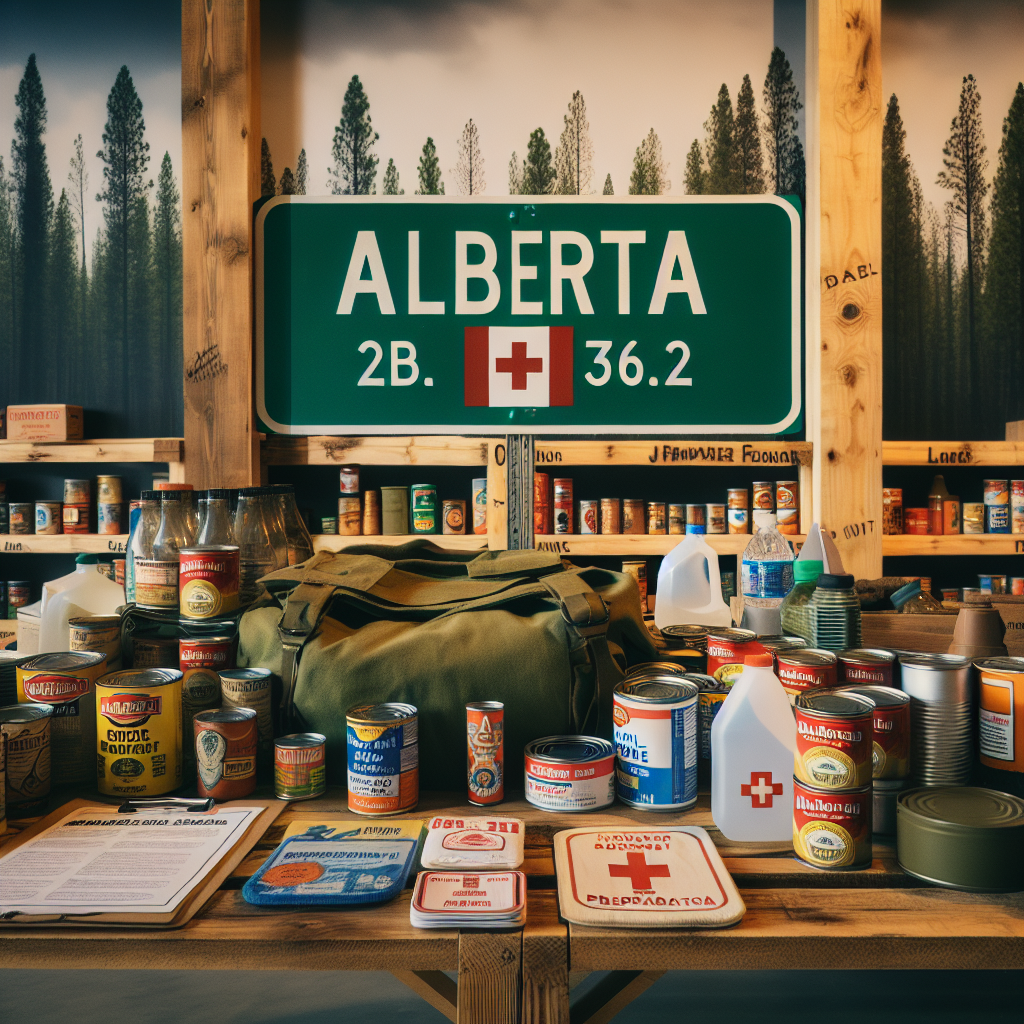
An effective emergency food and water storage supplies list should encompass a variety of non-perishable food items, methods for purifying water, and suitable storage containers. Prioritizing items like canned goods, dried fruits, grains, and clean water storage solutions is essential for ensuring safety and sustenance during emergencies.
Understanding the specific needs of your household is crucial. Factors such as the number of family members, dietary restrictions, and the duration of potential emergencies will influence your choices. For example, families with children may need to include more snacks and options that are easy to prepare, while others may focus on bulk staples like rice and beans. Mistakes often arise from underestimating food and water needs or opting for items that require cooking or refrigeration.
Furthermore, it’s vital to regularly update your supplies, checking expiration dates, and rotating items to maintain freshness. Many people overlook the importance of water storage and purification methods. Having a reliable water source and the means to purify it can make a significant difference in emergency situations.
Essential Food Items for Emergency Storage
When compiling an emergency food storage list, focus on non-perishable items that provide balanced nutrition. Key items include canned vegetables, fruits, meats, and legumes, as well as dried goods like pasta, rice, and oatmeal. Additionally, consider including high-energy foods such as peanut butter, granola bars, and nuts.
Choosing foods that require minimal preparation and can be eaten straight from the can or package is ideal in emergencies. Pay attention to dietary restrictions and preferences to ensure all family members have adequate food options. Prioritize items with long shelf lives and those that can be easily stored without refrigeration.
Many overlook the importance of variety in their food supply. It’s not only about having enough food but also about having a range of flavors and nutrients. This can help maintain morale during prolonged emergencies.
Water Storage and Purification Methods
Water is a critical element of your emergency supplies. It’s recommended to store at least one gallon of water per person per day for a minimum of three days. Consider using BPA-free plastic containers or food-grade barrels for storage. Regularly check these containers for leaks and cleanliness.
In addition to storing water, having purification methods is essential. Options include water purification tablets, filters, or boiling methods. Understanding how to use these methods effectively can greatly improve your safety in an emergency.
Many people mistakenly believe tap water is safe indefinitely. Always treat stored water as potentially contaminated after a disaster. This means having the right supplies on hand to purify it before consumption is crucial.
Organizing Your Emergency Supplies
Organizing your emergency food and water storage can significantly enhance accessibility during a crisis. Use clear, labeled containers to categorize items, making it easy to find what you need. Group similar items together, such as canned goods, grains, and water supplies.
Regularly revisiting and reorganizing your supplies ensures that everything remains in good condition and is easy to access. This is particularly important in a high-stress situation where quick access can make a difference.
Many people fail to account for the space needed to store these supplies. Consider your available storage areas and ensure they are cool, dry, and away from direct sunlight to prolong the shelf life of your food and water.

Common Mistakes to Avoid
One of the most common mistakes in emergency preparedness is underestimating the quantity of food and water needed. Many assume that a small supply will be enough, but emergencies can last longer than expected. Always err on the side of caution when determining your needs.
Additionally, failing to consider dietary restrictions can leave some family members without adequate food options. Always include a range of items that cater to different dietary needs. Another frequent oversight is neglecting to rotate supplies regularly, leading to expired items when they are most needed.
Lastly, many people overlook the importance of including essential tools such as can openers, cooking equipment, and utensils. Ensure that your emergency kit has everything necessary for food preparation and consumption.
Further Reading
Authoritative Sources
- Emergency Food Supply
ready.govThis resource provides guidance on what food items to include in your emergency preparedness plans
- Emergency Water Supply
cdc.govLearn about safe water storage and purification methods from the Centers for Disease Control and Prevention
- Red Cross Emergency Kit Supplies
redcross.orgA comprehensive overview of essential items to include in your emergency preparedness kit
Frequently Asked Questions
How much food should I store for emergencies?
It is recommended to store at least a three-day supply of food, with one person needing approximately 2,000 calories per day. Adjust based on the number of family members.
What types of water containers are best for storage?
BPA-free plastic containers and food-grade barrels are ideal for water storage, as they prevent chemical leaching and contamination.
How often should I check my emergency supplies?
It’s advisable to check your emergency supplies every six months to ensure everything is in good condition and not expired.
Can I store homemade food for emergencies?
Yes, but ensure that it is properly canned or dehydrated and stored in airtight containers to prevent spoilage.
What is the best way to purify water in an emergency?
Boiling water for at least one minute, using water purification tablets, or employing a filtration system are effective methods for purifying water.
Conclusion
In conclusion, creating a comprehensive emergency food and water storage supplies list is vital for preparedness. Focus on non-perishable food items, adequate water storage, and purification methods. Regularly check and update your supplies to ensure they are ready when needed. Prioritize the specific needs of your household and avoid common mistakes to enhance your emergency readiness. Taking these steps can significantly improve your safety and well-being in the face of unexpected challenges.
Related Content