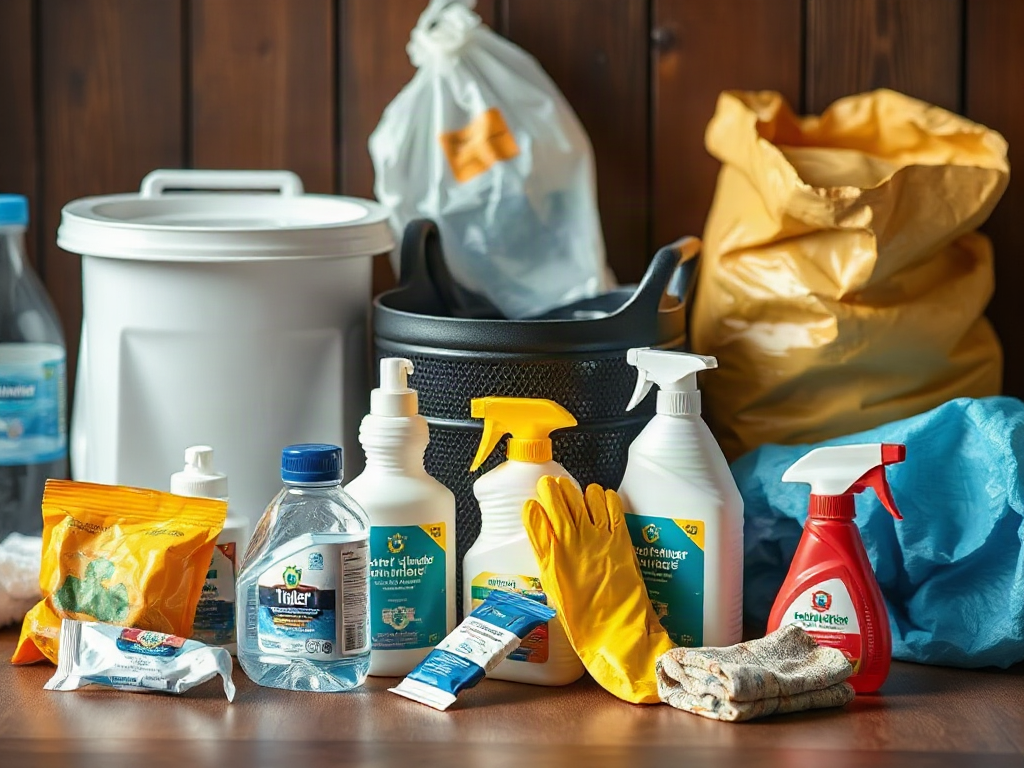
Essential Items for Maintaining Hygiene in Crises: A Practical Priority Checklist

Essential Items for Maintaining Hygiene in Crises: A Practical Priority Checklist
Essential items for maintaining hygiene in crises include safe water, soap, hand sanitizer, toothbrushes, toothpaste, toilet supplies, menstrual products, disposable gloves, cleaning materials, towels, and sealable waste bags. Prioritize hand cleaning and toilet management first because contaminated hands, shared surfaces, and unmanaged waste can spread illness when normal water and sewage services are disrupted.

Read More

Strategies For Organizing Emergency Supply Storage Around Access, Rotation, And Risk

Strategies For Organizing Emergency Supply Storage Around Access, Rotation, And Risk

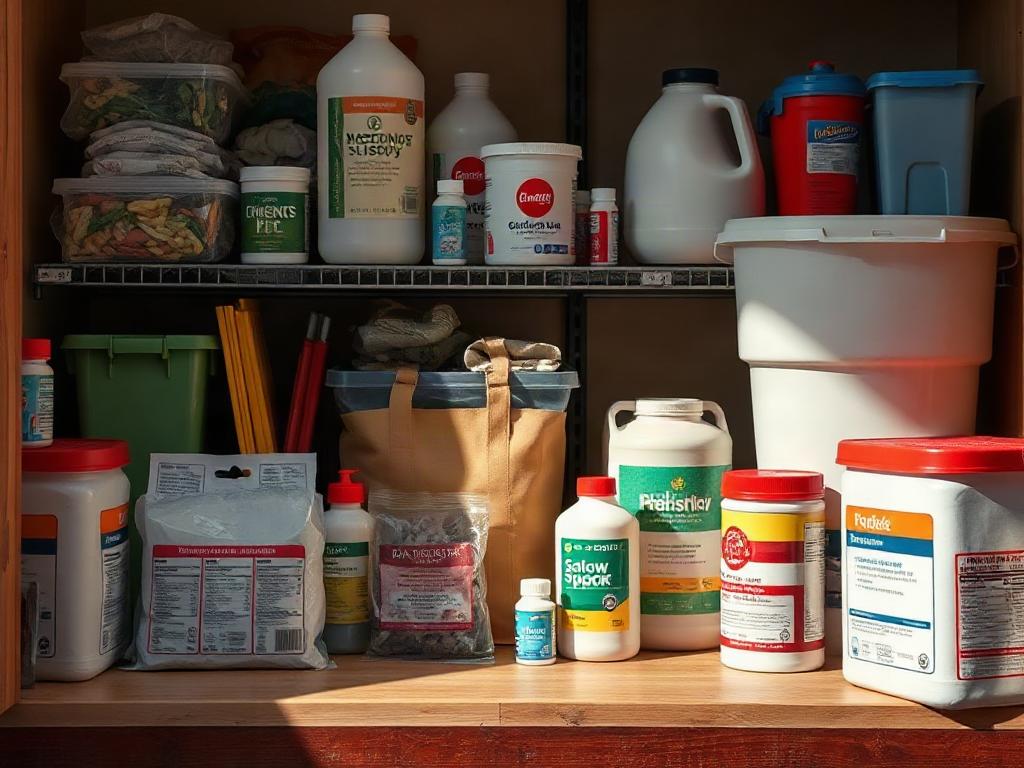
Strategies for organizing emergency supply storage work best when supplies are grouped by immediate use, labeled with expiration dates, and placed where household members can reach them without moving heavy containers. Separate everyday emergency items from reserve stock, protect temperature-sensitive goods from heat and moisture, and keep a small grab-and-go kit near an exit.

Read More

Supplies That Improve Your Community’s Resilience: A Practical Resource Plan

Supplies That Improve Your Community's Resilience: A Practical Resource Plan

Supplies that improve your community’s resilience include potable-water equipment, shelf-stable food, sanitation materials, first-aid resources, backup power, communication tools, and shared repair gear. Their value comes from covering essential needs when stores, utilities, transportation, or emergency services are interrupted.

Read More

Items That Enhance Family Safety During Crises For Power, Water, Communication, And Evacuation

items that enhance family safety during crises for power water communication and evacuation 0adf440914

Items that enhance family safety during crises include potable water containers, shelf-stable food, first-aid materials, flashlights, backup power, communication tools, sanitation supplies, and evacuation documents. Their value comes from addressing predictable hazards: dehydration, darkness, untreated injuries, disrupted phone service, unsafe food handling, and delayed travel.

Read More

Crucial Supplies For Unexpected Natural Disasters — What To Store First And Why

Crucial Supplies For Unexpected Natural Disasters — What To Store First And Why

Crucial supplies for unexpected natural disasters should cover safe water, ready-to-eat food, first aid, lighting, communication, sanitation, medications, and weather-appropriate shelter for at least several days. Water deserves first priority because outages and contamination can make normal taps unreliable, while shelf-stable foods provide energy without refrigeration or cooking.

Read More

How To Choose Durable Emergency Gear That Survives Repeated Use

how to choose durable emergency gear that survives repeated use 4750a353d4

Choose durable emergency gear by matching each item to its environment, inspecting construction details, and testing it before storing it. Prioritize abrasion-resistant materials, sealed or protected components, repairable designs, dependable closures, and batteries or fuel systems suited to the expected temperature range.

Read More

Strategies For Quickly Gathering Prep Supplies When Time Is Limited

how to choose durable emergency gear that survives repeated use 4750a353d4

Strategies for quickly gathering prep supplies work best when you define the immediate need, shop from a ranked list, and use several reliable sources instead of searching randomly. Group purchases by function—water, shelf-stable meals, sanitation, lighting, communication, and basic medical care—then secure items that solve multiple problems before specialty gear.

Read More

Key Items for Emergency Sanitation: A Practical Priority List for Water, Waste, and Cleanup

Key Items for Emergency Sanitation: A Practical Priority List for Water, Waste, and Cleanup

Key items for emergency sanitation are safe water, hand-cleaning supplies, toilet or waste-containment equipment, heavy-duty bags, disinfectant, gloves, and personal protective items. These supplies reduce exposure by separating human waste from living areas, cleaning hands before food handling, and limiting contact with contaminated surfaces.

Read More