

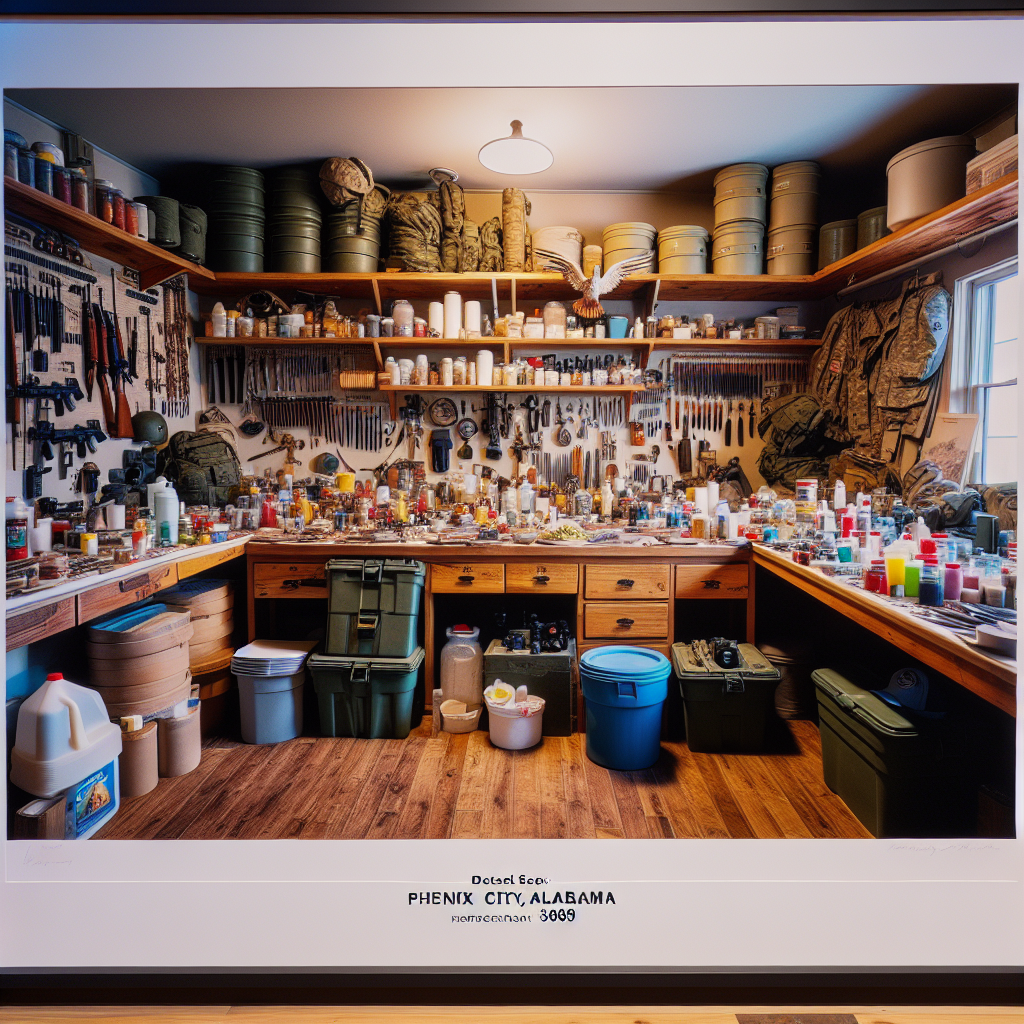
Affordable survival gear for home preparedness includes a range of essential tools and supplies that ensure safety and readiness during emergencies. Key items include water filtration systems, non-perishable food supplies, first aid kits, multi-tools, and emergency lighting.
When considering affordable survival gear, it’s important to prioritize quality and functionality over brand names. Many budget-friendly options on the market provide the same reliability as their more expensive counterparts. Prioritize items that have multiple uses, such as a multi-tool, which can serve various purposes and save space in your kit. Additionally, buying in bulk can reduce costs for items like canned foods and medical supplies.
One common mistake is underestimating the importance of regular maintenance and rotation of supplies. Non-perishable food items can have long shelf lives, but they should still be checked periodically for expiration dates. Similarly, ensuring that batteries for flashlights and radios are fresh and functional is crucial. Establish a schedule to review and update your preparedness kit, keeping it relevant and effective.
Water Filtration Systems
Water filtration systems are a critical component of affordable survival gear for home preparedness. In emergencies, clean drinking water may become scarce, making it essential to have a reliable filtration system. Options such as portable filters or larger gravity-fed systems can effectively remove contaminants and provide safe drinking water.
When selecting a water filtration system, consider the volume of water you may need to filter and the speed of filtration. Some systems can filter water quickly, while others may take longer but are more affordable. It’s also important to check the lifespan of the filter cartridges and replacement costs, as these can impact long-term expenses.
Many people overlook the importance of having a backup water source. Storing bottled water is a short-term solution, but having a filtration system allows for sustainable access to clean water. Regularly test and maintain your system to ensure it functions properly when needed.
Non-Perishable Food Supplies
Stocking non-perishable food supplies is essential for any home preparedness kit. Foods such as canned goods, dried fruits, nuts, and freeze-dried meals can provide necessary nutrition during emergencies. These items are typically easy to store and have long shelf lives.
When building your food supply, consider dietary restrictions and preferences. Aim for a variety of foods that offer balanced nutrition, including proteins, carbohydrates, and fats. Additionally, having a supply of comfort foods can boost morale during stressful times.
A common mistake is overbuying perishable items that may not last through an emergency. Focus on foods that can withstand changes in temperature and humidity. Regularly rotate your supplies to ensure freshness, consuming older items and replacing them with new purchases.
First Aid Kits
A well-stocked first aid kit is a vital part of affordable survival gear for home preparedness. It should include items such as bandages, antiseptics, gauze, and medications for common ailments. A comprehensive kit can provide immediate assistance in the event of injuries or health issues during an emergency.
When assembling your first aid kit, consider the specific needs of your household, including any chronic conditions that may require special supplies. Additionally, familiarize yourself with how to use each item in your kit to ensure effective treatment when needed.

Many individuals neglect to regularly check the contents of their first aid kits. Items such as medications and antiseptics can expire, making them ineffective. Set a reminder to review your kit periodically and replace any expired or used items to keep it fully stocked.
Multi-Tools and Emergency Lighting
Multi-tools are invaluable in emergency situations, combining various functions into a single device. They can include knives, screwdrivers, pliers, and more, making them versatile for different tasks. Investing in a quality multi-tool can save space and money by reducing the number of individual tools needed.
Alongside multi-tools, having reliable emergency lighting is essential for nighttime situations or power outages. Options include flashlights, lanterns, and headlamps. When selecting lighting options, consider the brightness, battery life, and ease of use.
A common oversight is not having enough batteries for your lighting devices. Always keep a stock of fresh batteries in your preparedness kit and consider rechargeable options that can be powered through solar chargers. This ensures you have light when it matters most without the worry of running out of power.
Further Reading
Authoritative Sources
- Ready.gov
ready.govOfficial U.S. preparedness guidance, checklists, and planning resources for households and emergencies.
- FEMA
fema.govFederal emergency management resources, disaster planning information, and recovery guidance.
- American Red Cross Emergency Preparedness
redcross.orgPractical emergency preparation steps, supply lists, and safety guidance for families.
- National Weather Service
weather.govOfficial forecasts, hazard alerts, and weather safety information.
- CDC Emergency Preparedness and Response
cdc.govPublic health guidance for emergencies, disasters, and recovery situations.
Frequently Asked Questions
What are the most essential items for home preparedness?
The most essential items include water filtration systems, non-perishable food supplies, first aid kits, multi-tools, and emergency lighting.
How often should I check my preparedness supplies?
It’s recommended to check your supplies every six months to replace expired items and ensure everything is functional.
Can I buy affordable survival gear online?
Yes, many retailers offer affordable survival gear online, often with customer reviews to guide your choices.
What should I prioritize when building my kit?
Prioritize items that serve multiple functions, have long shelf lives, and cater to your household’s specific needs.
Is it necessary to include comfort items in my kit?
Including comfort items can help boost morale during emergencies, so consider adding some of your family’s favorite snacks or games.
Conclusion
Building an affordable survival gear kit for home preparedness is a crucial step towards ensuring safety during emergencies. Focus on essential items such as water filtration systems, non-perishable foods, first aid supplies, multi-tools, and emergency lighting. Regularly review and update your kit to keep it effective, and remember to prioritize quality and functionality over brand names. By taking these steps, you can create a reliable preparedness plan that meets your household’s needs without breaking the bank.
Related Content