
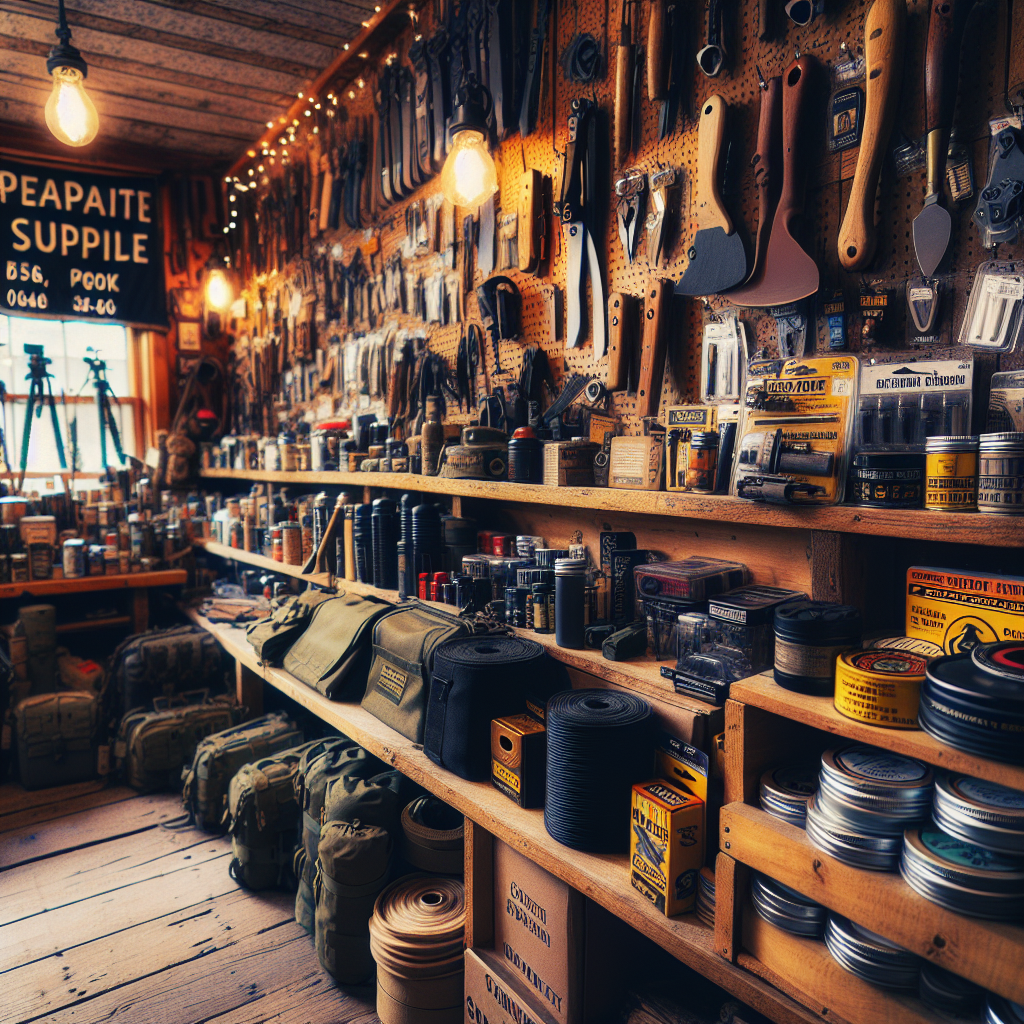
Understanding the balance between readiness and weight is crucial. For instance, while it may be tempting to pack every possible tool, overloading your kit can hinder your mobility. Choose items that serve multiple purposes, like a multi-tool that includes a knife, screwdriver, and pliers, to minimize weight while maximizing functionality.
One common mistake is neglecting to consider the environment in which you’ll be using your tools. Different terrains and climates require specific gear. For example, lightweight gear suited for urban settings may not hold up in wilderness survival situations. Assess your needs based on your lifestyle and potential scenarios.
Choosing the Right Multi-Tool for Your Needs
A multi-tool is a cornerstone of any preparedness kit, combining various functions into one compact device. When selecting a multi-tool, consider the range of tools it offers and the quality of each component. Look for features like a knife, pliers, screwdrivers, and can openers.
Quality is paramount; a flimsy tool can fail when you need it most. Brands known for durability often provide better warranties, indicating their confidence in product longevity. Additionally, consider the tool’s weight and ease of use, as cumbersome designs can hinder effectiveness.
Common pitfalls include choosing a multi-tool with too many features, leading to a bulky and heavy device. Focus on your most common tasks and select a tool that excels in those areas. Always test the mechanism to ensure it operates smoothly before purchasing.
Compact Emergency Kits: What to Include
An emergency kit should be both compact and comprehensive, containing essential items for various scenarios. Key components include first aid supplies, flashlights, food rations, and communication devices. A well-rounded kit can make a significant difference in an emergency.
When assembling your kit, prioritize lightweight, non-perishable items that provide nourishment and hydration. Freeze-dried meals and energy bars are excellent choices. Additionally, consider including a portable charger for your phone, ensuring you can communicate in emergencies.
A frequent oversight is failing to update or check the contents of your kit regularly. Items can expire, and needs may change based on lifestyle or location. Set a reminder to review and restock your kit at least once a year.
Portable Water Filtration Systems: Key Features
Access to clean water is vital in any survival situation. Portable water filtration systems are crucial tools that allow you to convert potentially unsafe water sources into drinkable water. Look for filters that are lightweight, easy to use, and capable of removing bacteria and protozoa.
Consider systems with a high flow rate for quicker access to water. Some models even offer additional features like UV purification or the ability to filter large volumes. Always check the filter’s lifespan and replacement costs to ensure long-term usability.

One common mistake is underestimating the importance of maintaining your filtration system. Follow the manufacturer’s instructions for cleaning and replacing filters, as neglect can lead to contamination. Regular maintenance ensures you have reliable access to safe drinking water.
Prioritizing Versatility in Your Gear
Versatile gear can significantly reduce the weight of your emergency kit while enhancing its effectiveness. Items that serve multiple functions, such as a solar-powered charger that can also power small devices, are valuable assets in preparedness.
When selecting gear, evaluate how each item can serve more than one purpose. For instance, a space blanket can provide warmth, serve as a signaling device, or create a makeshift shelter. This approach not only saves space but also ensures you are equipped for a range of scenarios.
A common oversight is failing to consider the adaptability of gear in different situations. Choose items that are not only useful in emergencies but can also be integrated into your daily life. This dual-use strategy can help you stay light and ready without sacrificing preparedness.
Further Reading
Authoritative Sources
- Ready.gov
ready.govOfficial U.S. preparedness guidance, checklists, and planning resources for households and emergencies.
- FEMA
fema.govFederal emergency management resources, disaster planning information, and recovery guidance.
- American Red Cross Emergency Preparedness
redcross.orgPractical emergency preparation steps, supply lists, and safety guidance for families.
- National Weather Service
weather.govOfficial forecasts, hazard alerts, and weather safety information.
- CDC Emergency Preparedness and Response
cdc.govPublic health guidance for emergencies, disasters, and recovery situations.
Frequently Asked Questions
What should I include in my emergency kit?
Your emergency kit should include first aid supplies, non-perishable food, water filtration tools, a flashlight, and communication devices.
How can I ensure my multi-tool is effective?
Choose a multi-tool with high-quality materials and a range of useful features. Regularly test and maintain it to ensure functionality.
What are the best portable water filtration systems?
Look for filtration systems that are lightweight, easy to use, and capable of removing harmful contaminants. Consider models with a high flow rate.
How often should I update my emergency kit?
It’s advisable to review and update your emergency kit at least once a year to replace expired items and adjust contents based on your needs.
What mistakes should I avoid when preparing for emergencies?
Avoid overpacking your kit, neglecting maintenance, and failing to tailor your gear to your specific needs and environment.
Conclusion
Staying light and ready is about equipping yourself with the right tools that enhance mobility without compromising preparedness. Focus on versatile, high-quality gear that serves multiple functions and consider your specific needs based on potential scenarios. Regularly update your kit, test your tools, and prioritize maintenance to ensure you are always prepared for unexpected situations. By making informed choices, you can stay light and ready, ready for anything that comes your way.
Related Content
