
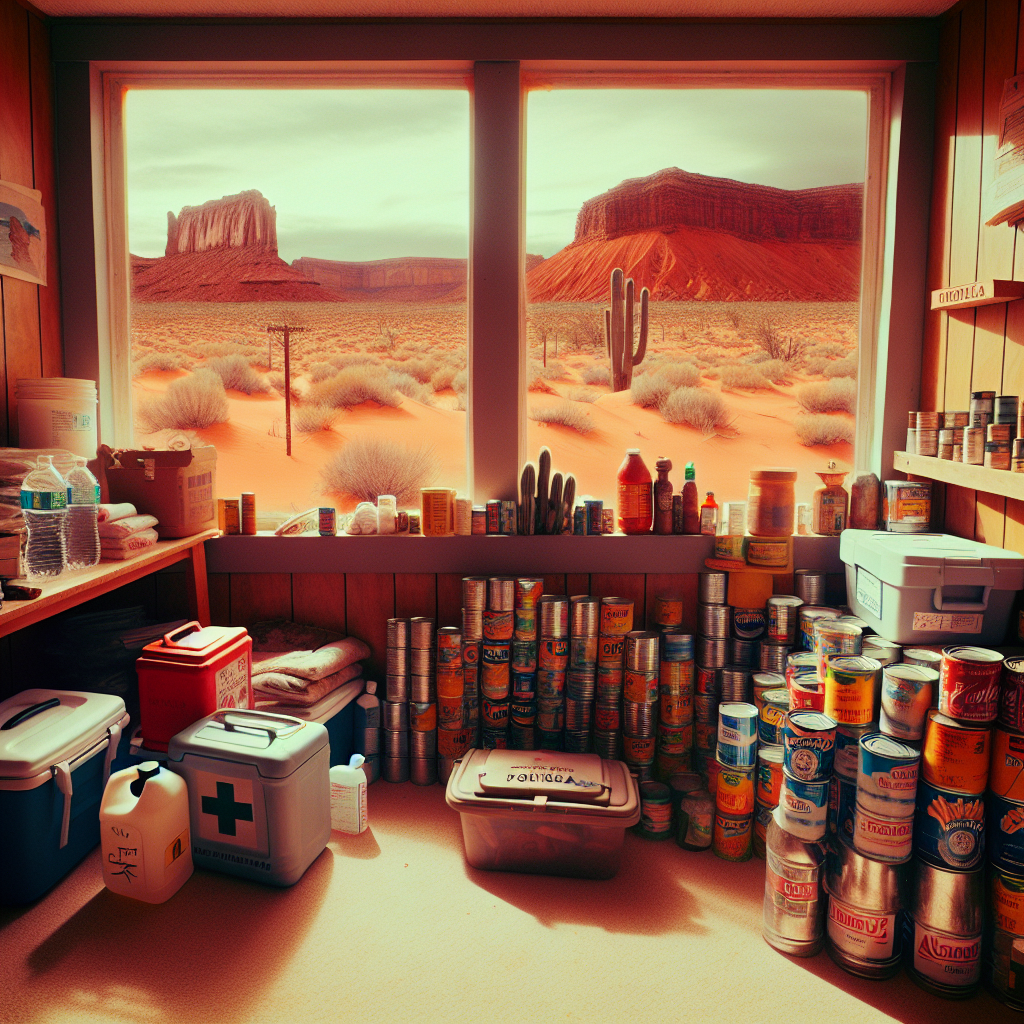
Understanding the importance of safe drinking water gear is vital, especially in regions prone to contamination or during outdoor adventures. Many people assume that all water sources are safe, but this can lead to severe health risks. Investing in reliable filtration and purification systems is crucial for maintaining health and safety. Moreover, the right gear enhances convenience and preparedness, allowing individuals to respond effectively to emergencies.
One common mistake is overlooking the specific needs based on the water source. For instance, a portable filter may suffice for clear streams, but murky water requires more robust purification methods. Additionally, users often underestimate the importance of regular maintenance and replacement of filter components, which is essential for optimal performance. By prioritizing the right gear and understanding its functionalities, individuals can significantly improve their access to safe drinking water.
Types of Water Filtration Systems
There are several types of water filtration systems available, each designed to address specific contaminants. The most common types include activated carbon filters, reverse osmosis systems, and ceramic filters. Activated carbon filters are excellent for removing chlorine, sediment, and volatile organic compounds, while reverse osmosis systems can eliminate a wider range of impurities, including heavy metals and salts.
When selecting a filtration system, consider the primary contaminants present in your water source. For example, if you are dealing with heavy sediment or chemical pollutants, a reverse osmosis system may be the best choice. Alternatively, for outdoor activities, a portable activated carbon filter could provide adequate purification. It’s important to understand the limitations of each system to ensure you are meeting your specific water safety needs.
Additionally, many modern filtration systems come with additional features such as UV light purification, which can kill bacteria and viruses that traditional filters may miss. This combination of technologies can enhance the effectiveness of your water treatment process, providing an extra layer of safety.
Purification Methods for Safe Drinking Water
Purification methods are essential for making water safe to drink, especially in areas where contamination is a concern. Common methods include boiling, chemical treatments, and UV light sterilization. Boiling water is one of the simplest and most effective methods, as it kills pathogens, but it requires time and fuel.
Chemical treatments, such as chlorine or iodine tablets, are convenient and effective for emergency situations. However, they may leave an aftertaste and require careful dosing. UV light sterilizers offer a chemical-free alternative, effectively inactivating bacteria and viruses in minutes. These devices are portable and easy to use, making them suitable for both home and outdoor use.
It’s crucial to understand that while some methods kill pathogens, they may not remove chemical contaminants. Therefore, combining multiple purification methods can provide the safest drinking water. For example, using a filter followed by UV sterilization can ensure both biological and chemical safety.
Choosing the Right Gear for Your Needs
Choosing the right gear for safe drinking water depends on several factors, including your location, activities, and specific water quality concerns. For urban dwellers, a high-quality activated carbon filter may suffice, while those venturing into the wilderness might require portable filtration systems with multiple purification capabilities.
Consider the volume of water you need to process and how often you will use the gear. For frequent travelers or campers, investing in durable, lightweight equipment is essential. Additionally, check for certifications from organizations like NSF or EPA, which ensure that the gear meets safety standards.
Another factor to consider is ease of use and maintenance. Some systems require regular filter changes or extensive cleaning, while others are more user-friendly. Prioritizing gear that fits your lifestyle will increase the likelihood of consistent use and ensure access to safe drinking water.
Common Mistakes to Avoid
One of the most significant mistakes people make is assuming that all water filters and purifiers are the same. Each device has specific capabilities and limitations, and failing to understand these can lead to unsafe drinking water. Always research the specific contaminants your gear can address and ensure it meets your needs.

Another common error is neglecting maintenance. Many users forget to replace filters or clean their systems regularly, which can reduce effectiveness over time. Establishing a maintenance schedule can help prevent issues and ensure ongoing safety.
Lastly, many individuals overlook the importance of testing their water quality. Regular testing can identify changes in water safety and help determine if your filtration system is still effective. Investing in a simple water testing kit can provide peace of mind and ensure that your drinking water remains safe.
Further Reading
Authoritative Sources
- CDC: Drinking Water Quality
cdc.govThis resource provides comprehensive information on drinking water quality and safety measures
- EPA: Safe Drinking Water Act
epa.govLearn about regulations and guidelines for maintaining safe drinking water in the U.S
- NSF International
nsf.orgFind information on water treatment standards and certifications for safe drinking water gear
- WHO: Drinking Water
who.intThe WHO offers guidelines and resources on drinking water safety worldwide
Frequently Asked Questions
What are the best filtration methods for outdoor activities?
Portable water filters and UV light sterilizers are among the best methods for outdoor activities. They effectively remove contaminants and pathogens from natural water sources.
How often should I replace my water filter?
Replacement frequency varies by the type of filter and usage. Generally, it’s advisable to replace filters every 2-6 months, depending on water quality and volume.
Are chemical water purifiers safe?
Yes, chemical purifiers like chlorine and iodine are safe when used according to the instructions. However, they may leave an aftertaste and should not be used long-term.
How can I test my water quality?
You can test water quality using home testing kits available at stores or online. These kits can detect common contaminants and help you assess safety.
What should I prioritize when choosing water purification gear?
Prioritize effectiveness against local contaminants, ease of use, and maintenance requirements. Ensure the gear fits your specific needs and lifestyle for optimal safety.
Conclusion
In closing, ensuring access to safe drinking water begins with selecting the right gear for filtration and purification. Understanding the various types of systems available and their specific capabilities is essential for making informed choices. Regular maintenance and testing are critical components that cannot be overlooked. By prioritizing high-quality equipment and keeping abreast of water quality, you can effectively safeguard your health and well-being. Take the time to assess your needs and invest in reliable solutions that provide peace of mind and safety.
Related Content
