
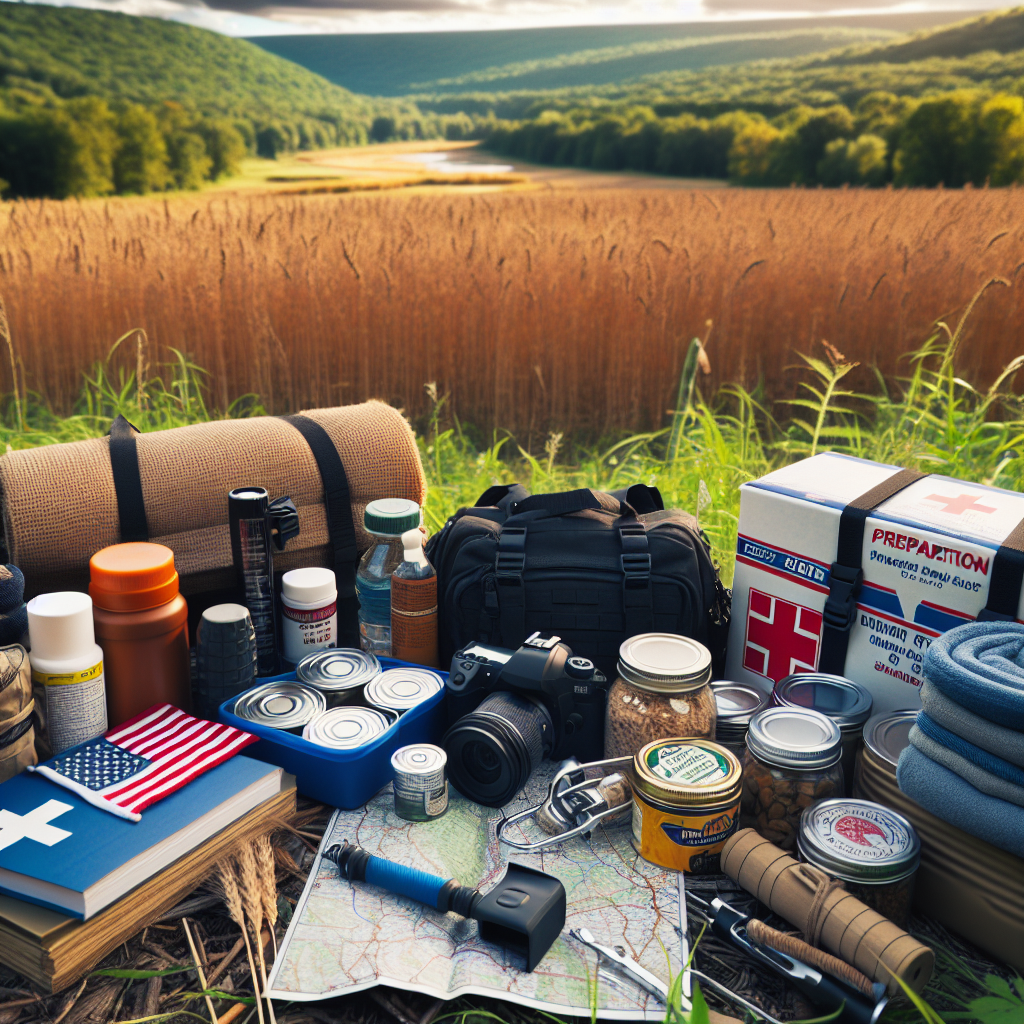
When preparing your kit, it’s essential to assess your unique circumstances, including the types of emergencies you may face in your area. For example, if you live in a flood-prone region, waterproof storage solutions are crucial. Additionally, consider the number of people in your household and any specific medical needs, which can dictate the quantity and types of items to include.
One common mistake is to overlook the importance of regularly updating your kit. Supplies can expire, batteries can die, and needs can change over time. Therefore, set a reminder to review your kit at least once a year and adjust it according to your evolving requirements.
Water and Hydration Supplies
Water is the most critical resource during an emergency, as humans can only survive a few days without it. Store at least one gallon of water per person per day, preferably for three days. Additionally, consider including water purification tablets or filters to ensure safe drinking water if supplies run low.
In emergencies, access to clean water can become scarce. Therefore, it’s wise to have a plan for sourcing additional water, whether through rain collection or locating nearby water sources. Always prioritize water before other supplies, as dehydration can set in quickly.
Many people overlook the need for water storage containers. Invest in durable, BPA-free containers that can withstand varying temperatures. Regularly check for leaks and ensure your containers are clean to prevent contamination.
Food and Nutritional Needs
Your emergency kit should include a variety of non-perishable food items that require little to no preparation. Options such as canned goods, energy bars, and freeze-dried meals are ideal. Aim for a three-day supply, focusing on high-calorie items that provide essential nutrients.
Consider any dietary restrictions or preferences within your household. Including a mix of protein, carbohydrates, and healthy fats will help maintain energy levels during stressful times. Additionally, be mindful of expiration dates and rotate your food items regularly.
One common pitfall is relying solely on ready-to-eat meals. While convenient, they often lack the variety needed for balanced nutrition. Supplement your kit with items like peanut butter, nuts, and dried fruits, which offer additional nutrients and energy.
First Aid Essentials
A well-stocked first aid kit is crucial for addressing injuries and health issues during emergencies. Essential items include bandages, antiseptic wipes, gauze, adhesive tape, scissors, and pain relievers. Tailor your kit to include any prescription medications or specific medical supplies your family may require.
Many people underestimate the importance of first aid training. Familiarize yourself with basic first aid techniques, as knowing how to treat common injuries can make a significant difference in emergencies. Consider taking a certified first aid course to boost your confidence and skills.
Do not overlook the importance of mental health supplies. Items like stress balls, comfort items for children, or even a journal can help manage anxiety during crises. Preparing for emotional well-being is just as critical as physical health.
Tools and Equipment
In addition to food and medical supplies, your emergency kit should contain essential tools. A multi-tool, flashlight with extra batteries, whistle, and duct tape can prove invaluable in various situations. Each item can serve multiple functions, maximizing your kit’s utility.

When selecting tools, prioritize quality and durability. A sturdy multi-tool can replace several individual tools, while a reliable flashlight can provide light in dark situations. Always test your equipment before an emergency to ensure it functions correctly.
Many people overlook the need for a portable power bank. Keeping your devices charged can be crucial for communication and accessing emergency information. Include a solar charger as a backup power source, ensuring you can stay connected even during power outages.
Further Reading
Authoritative Sources
- Ready.gov: Build a Kit
ready.govThis resource provides a comprehensive guide to building an emergency kit tailored to your family's needs
- American Red Cross: Emergency Preparedness
redcross.orgFind information about creating a disaster plan and essential supplies needed for various emergencies
- CDC: Emergency Preparedness
cdc.govThe CDC offers valuable insights into health and safety during emergencies, including kit essentials
- FEMA: Prepare for Disasters
fema.govFEMA provides guidelines on disaster preparedness, including how to create and maintain an emergency kit
Frequently Asked Questions
What should be the first item in an emergency kit?
Water should be the first item in an emergency kit, as it is essential for survival.
How often should I update my emergency kit?
It’s advisable to review and update your emergency kit at least once a year to replace expired items and adjust for changing needs.
Can I use regular food items in my emergency kit?
Yes, but prioritize non-perishable items that can withstand temperature changes and have a long shelf life.
What medical supplies should I include?
Include bandages, antiseptics, gauze, scissors, adhesive tape, and any prescription medications required by family members.
How can I store my emergency kit?
Store your emergency kit in a cool, dry place in a durable container that is easy to transport.
Conclusion
Preparing your emergency kit is a proactive step towards ensuring safety during unforeseen events. Prioritize critical supplies like water, food, first aid items, and essential tools tailored to your household’s needs. Regularly review and update your kit to adapt to changing circumstances, and consider the specific risks associated with your location. By taking these steps, you can minimize risks and enhance your preparedness, ensuring that you and your loved ones are ready to face any challenge.
Related Content
